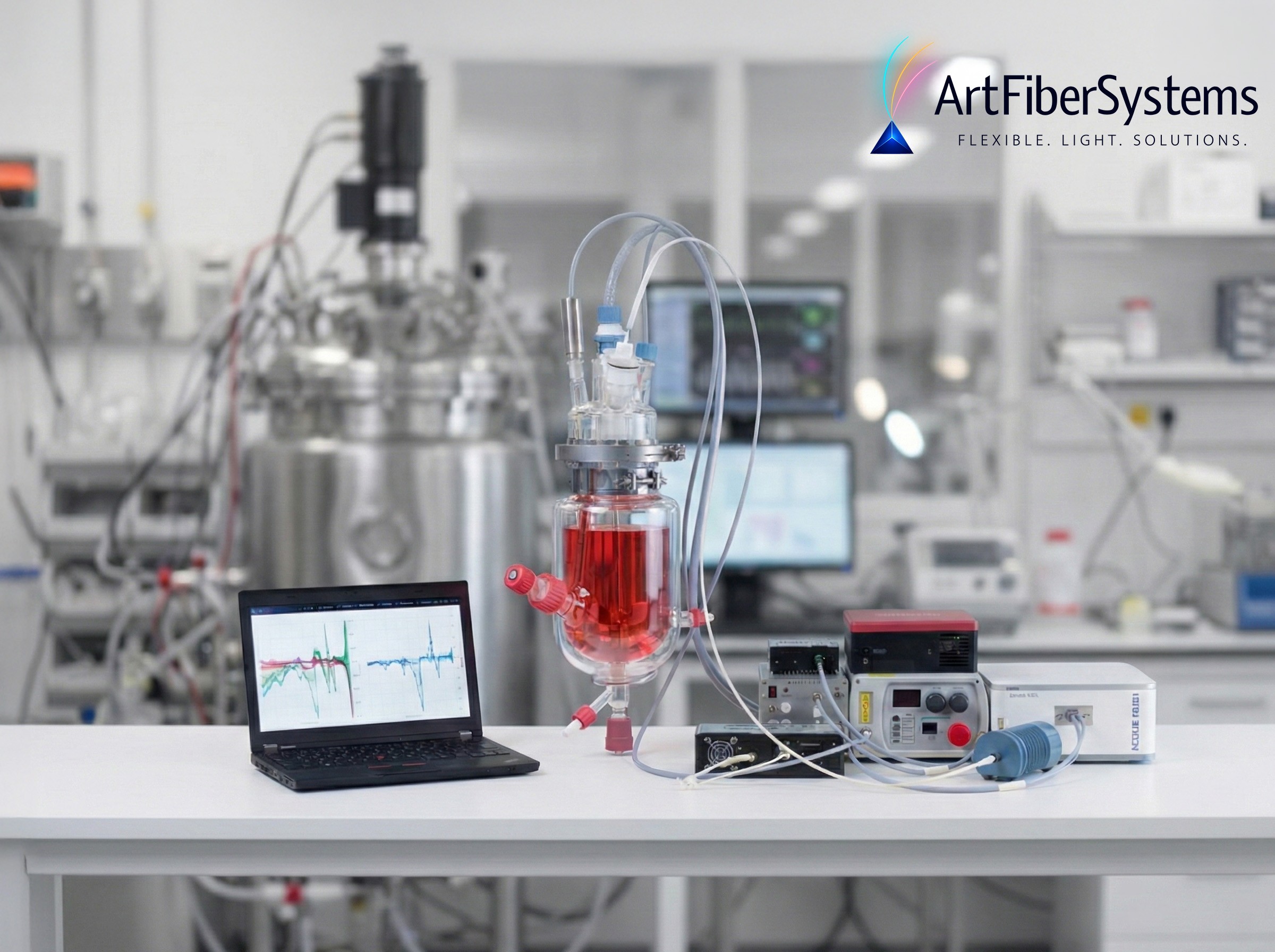
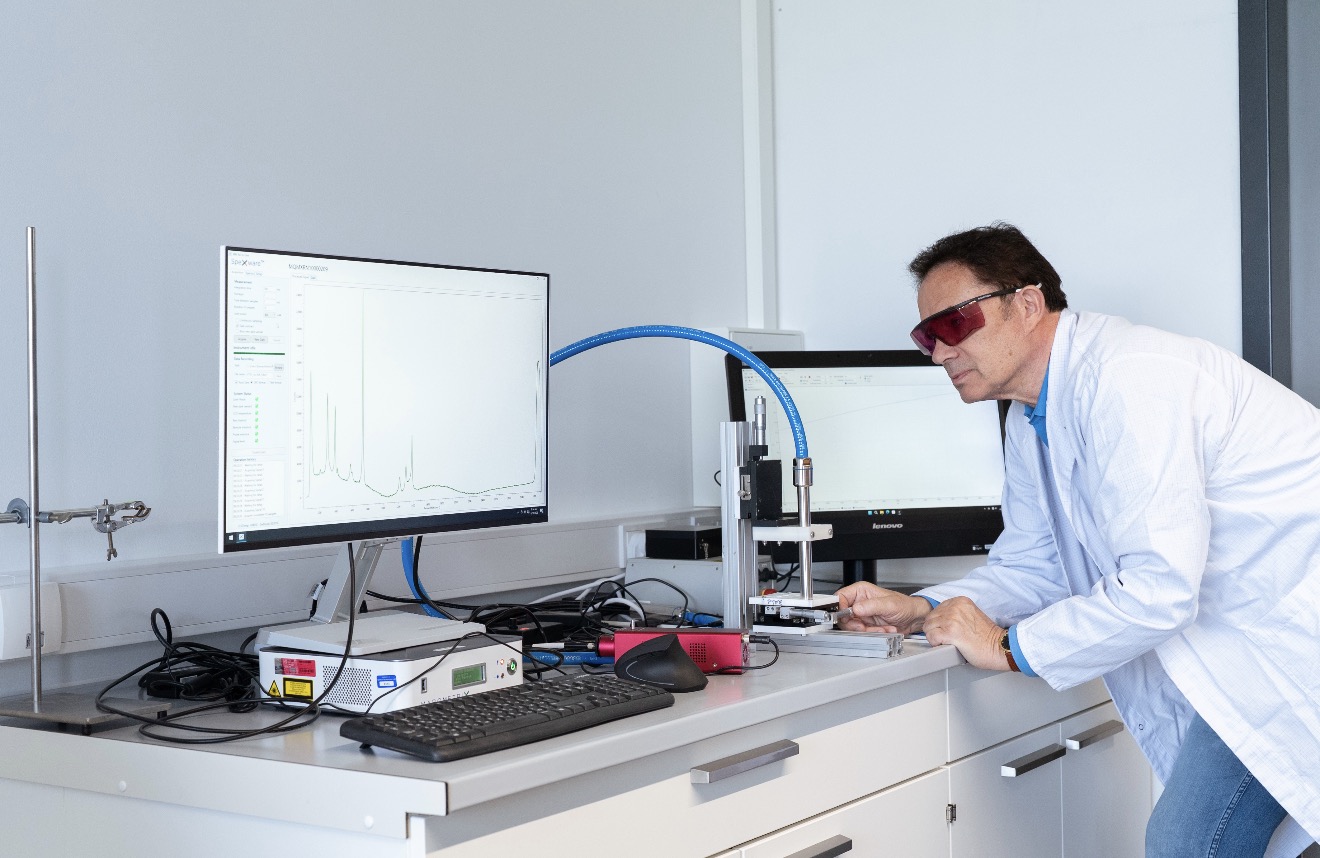
Art Fiber Systems GmbH (AFS) was founded in Ulm at the end of 2025 by Dr. Viacheslav Artyushenko and Prof. Dr. Boris Mizaikoff to satisfy fast-growing market demands for in-line process control. Process Analytical Technologies (PAT) are needed for many processes in pharma, biotech, food, chemical and petrochemical industries to enhance product quality and sustainable yield. AFS can detect end-user process problems with its Multi-Spectral Fiber (MSF) Systems and solve them with customized AI-Sensors.
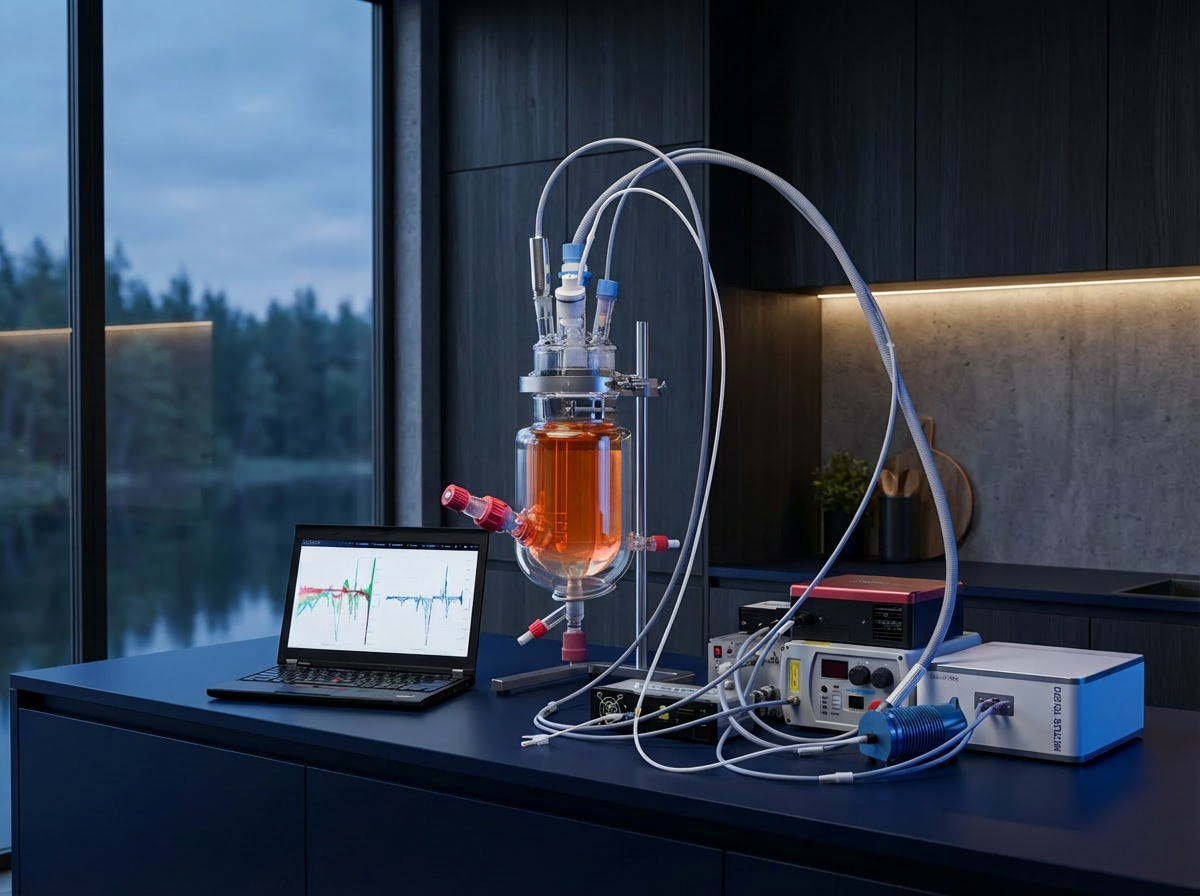
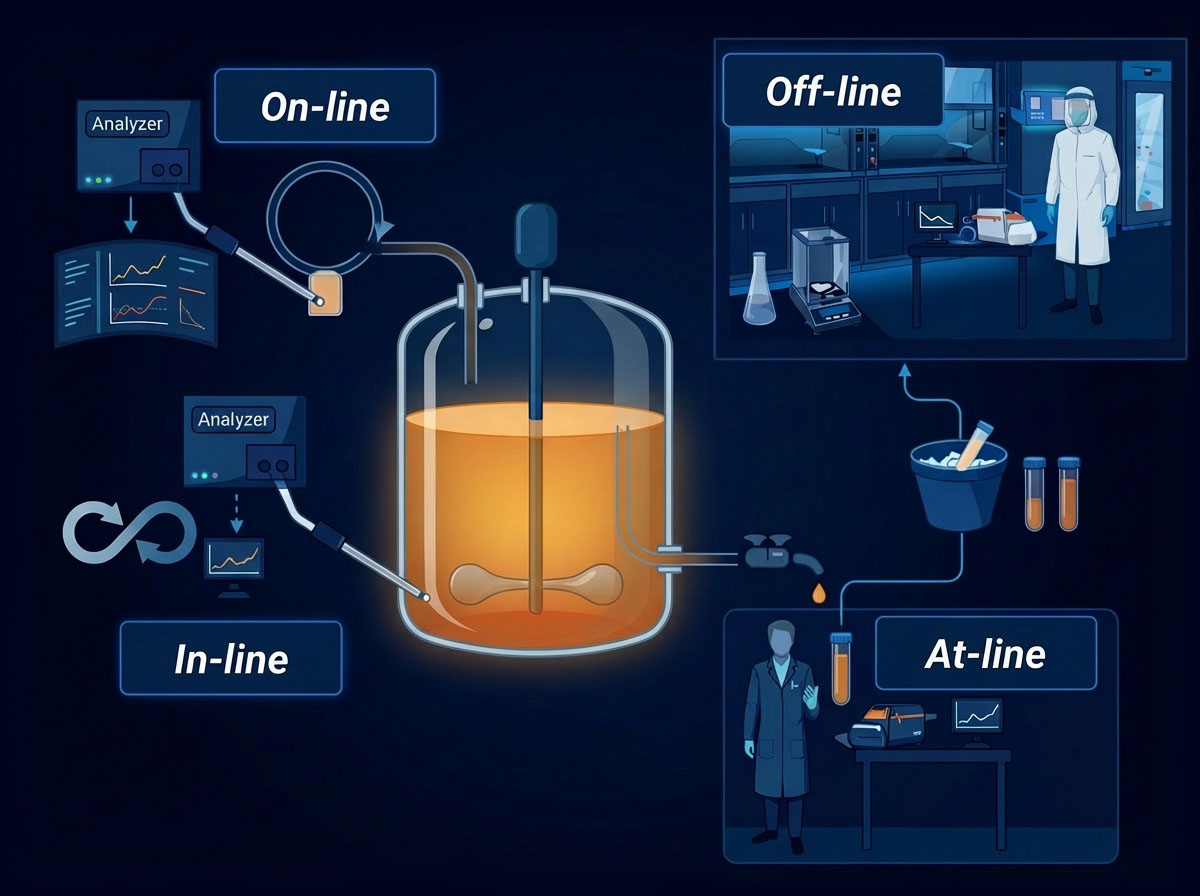
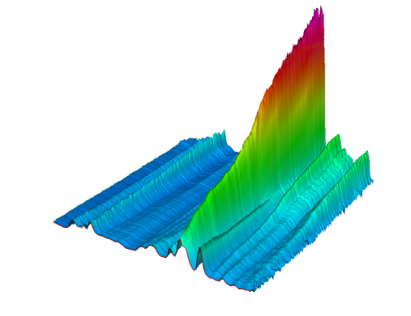
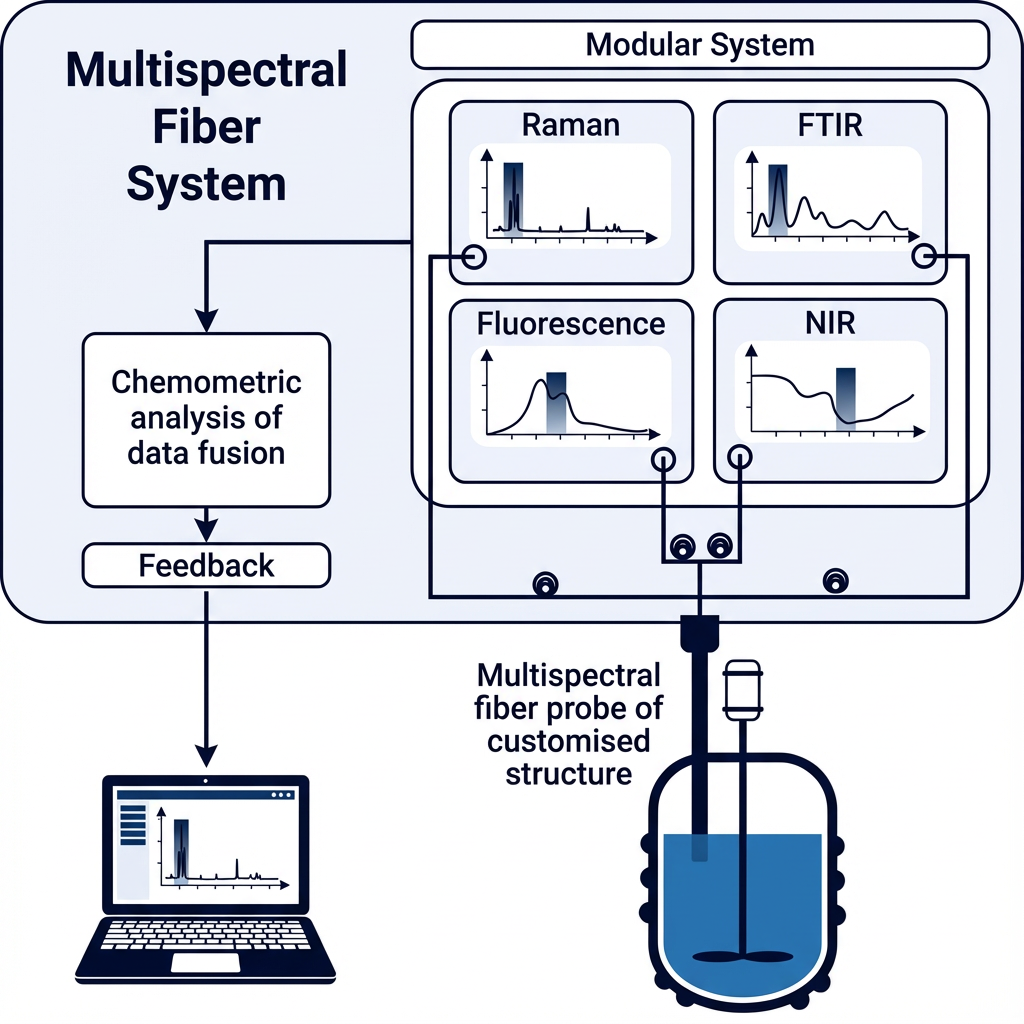
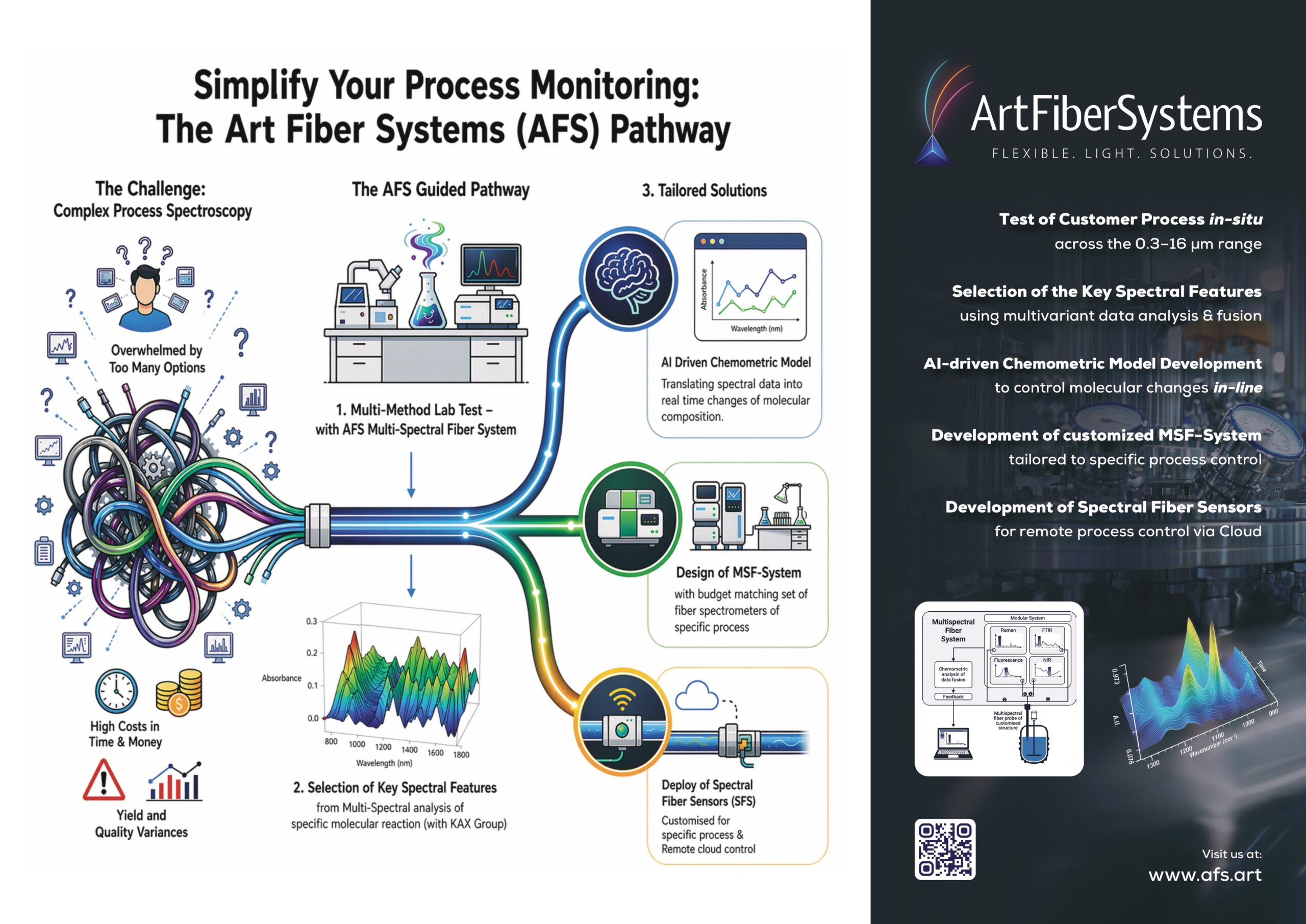
Fiber Spectroscopy is the best PAT method to define hidden problems in molecular reactions, as robust fiber probes can reveal media composition changes in real time and in situ (in-line) at any critical point of the reactor. Process analysis with MSF-Systems helps AFS test processes across a broad spectral range of 0.2–16 µm using UV, Vis, Near-Infrared & Mid-InfraRed absorption, Raman & linear scattering/reflection, fluorescence and other methods, and select the key spectral features from one, two or more methods.
This selection enables AFS to simplify the PAT method for a specific process and make it highly effective, and even automated.
The AFS mission is to first find problems in end-user chemical processes using its Multi-Spectral Fiber Systems (MSF-Systems), providing feasibility studies either at AFS facilities or at customer premises, and then provide the development of simplified PAT solutions with AI-based chemometric models for specific end-user processes suitable for remote in-line process control.
AFS offers end-users the professional choice of optimal system configurations, saving time, effort and budget when selecting and testing the most suitable combination of spectrometers, probes, light sources and detectors. AFS works with the best vendors of all these components, combining them with optimized AI-based chemometrics into customized solutions.
History
Dr. Viacheslav Artyushenko founded A.R.T. Photonics GmbH in Berlin in 1998 (later renamed art photonics – AP) to develop and produce fiber components for the broad 0.22–16 µm spectral range (www.artphotonics.com). He sold AP to Nynomic AG in 2024 and handed over his CEO position to Dr. Stefanie Foerster. In the same year, EPIC (European Photonics Industry Consortium) selected Viacheslav Artyushenko for the EPIC Lifetime Achievement Award for his contribution and leadership in the optical fiber industry.
At the end of 2025, the new independent company Art Fiber Systems GmbH (AFS) was founded in Ulm by Dr. Artyushenko and Prof. Dr. Mizaikoff with a very different mission — to integrate AI-based Spectral Fiber Systems dedicated to specific in-line process control. AFS combines optimal components produced by various vendors, including fiber probes and fiber sensors produced by Hellma Solutions, art photonics, Avantes and others, and unites them in simplified Fiber Systems or Sensors with specially customized AI-based chemometric models. AFS mission is to make end-users happy with customized solutions for their in-line process control.